Who's It For? The Quiet Revolution of Women Shooting Pin-Up for Themselves
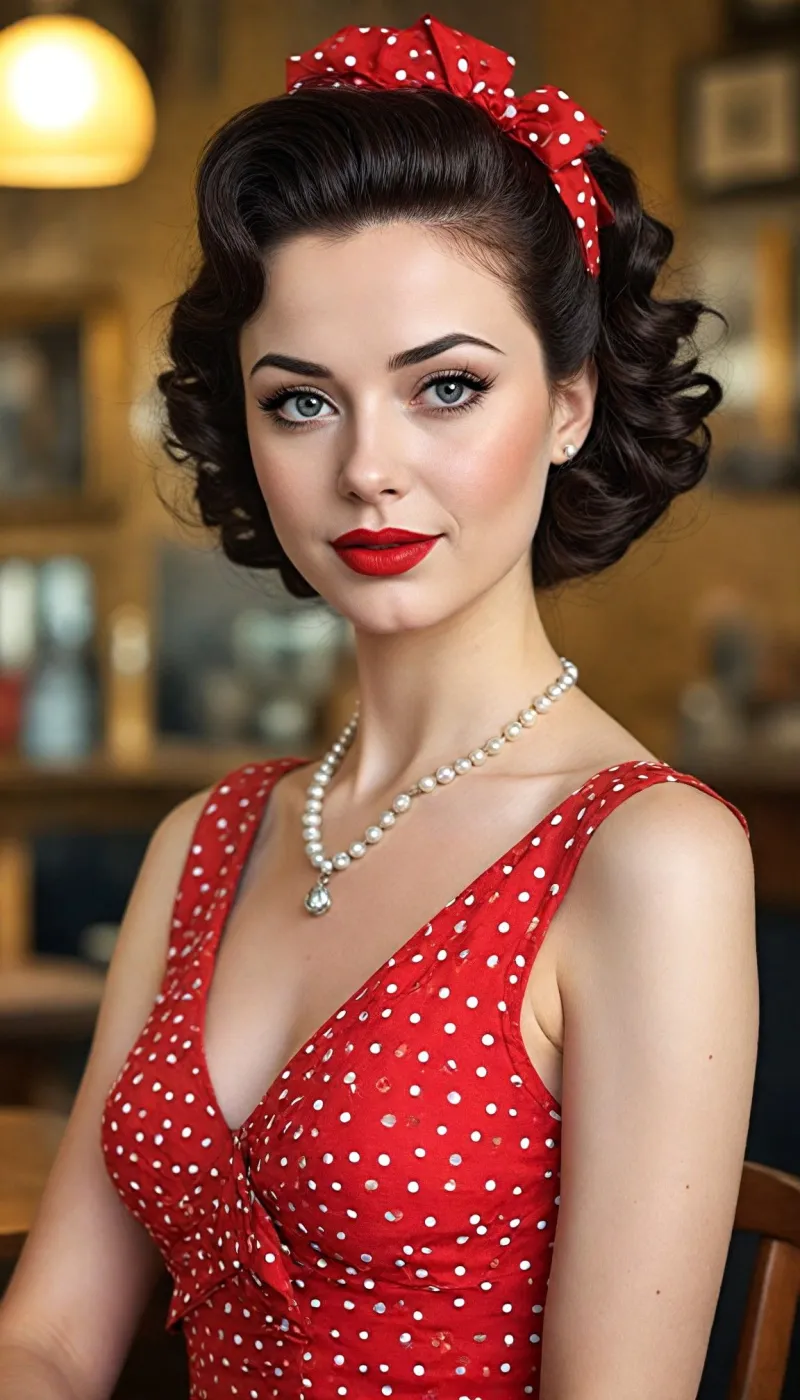
Photo: confident woman pin-up style portrait vintage glamour studio self-assured, via i.pinimg.com
There's a question that comes up in nearly every pin-up studio conversation, usually somewhere between hair spray and the first roll of film: who is this for?
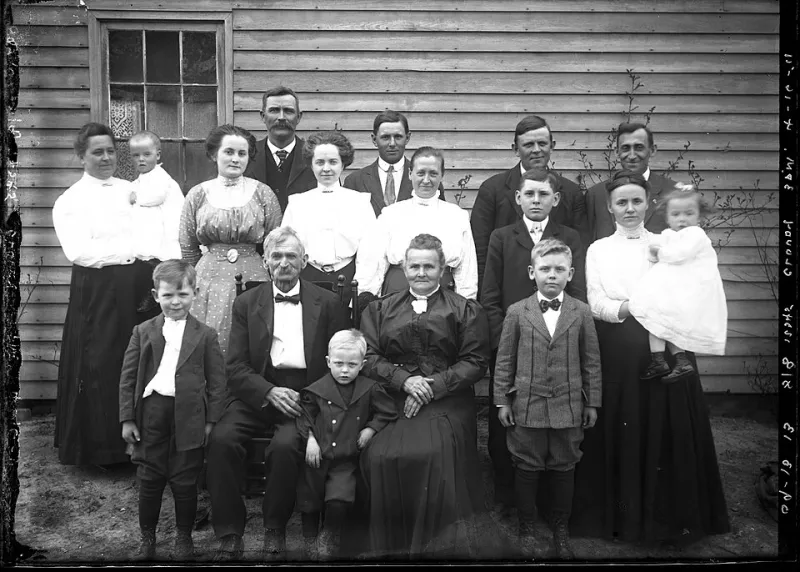
For most of the twentieth century, the answer was obvious and unspoken. The pin-ups painted on bomber noses and printed in men's magazines were created by men, for men. The woman in the frame was a product — desirable, distant, and never in on the joke.
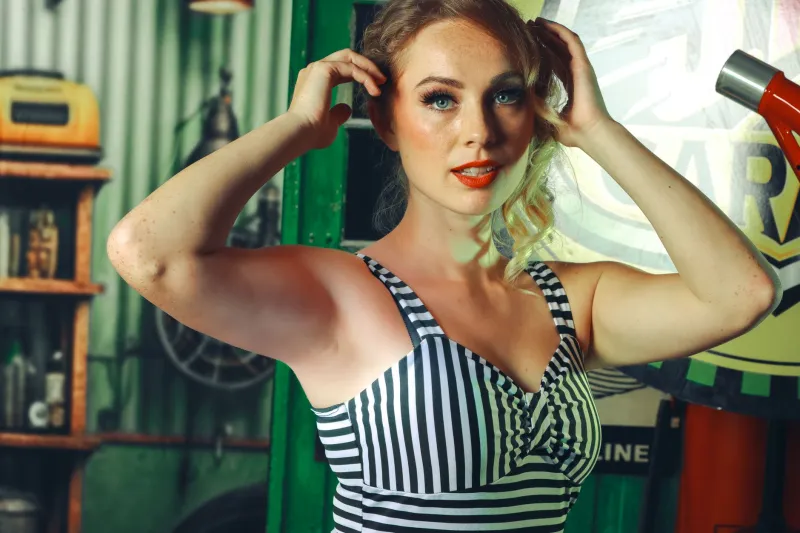
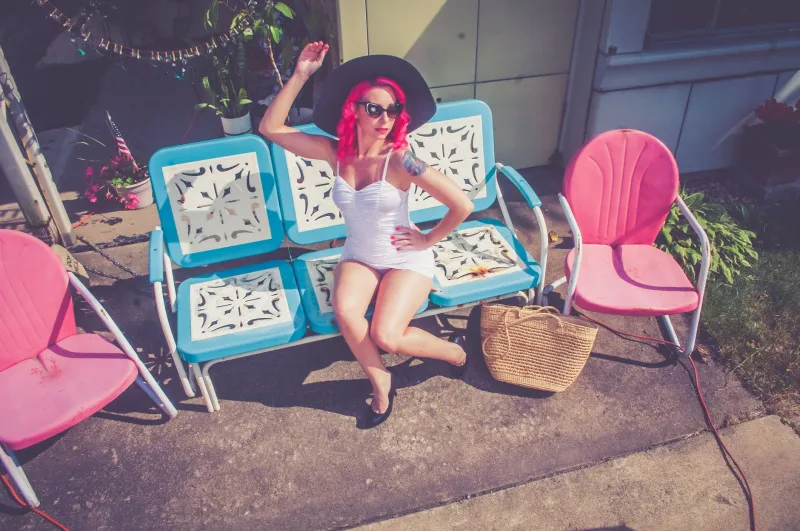
That answer doesn't hold anymore. Walk into any modern pin-up studio in Nashville, Portland, or Austin, and you'll find something the original artists never imagined: women booking shoots with no audience in mind at all.
The Viewer Who Vanished
Dana Reyes, a 34-year-old nurse from Ohio, describes her first shoot as "a gift I didn't know I was allowed to give myself."
"I'd spent my whole life being looked at — at work, on the bus, on dating apps. I assumed a boudoir-adjacent shoot meant performing for somebody," she says. "Then my photographer asked me what I wanted to see when I looked at these photos. Nobody had ever asked me that."
Reyes printed one image. It hangs in her bedroom, where exactly one person sees it: her.
That's the shift. The male gaze — that theoretical framework from film studies that sounds academic until you've lived inside it — relied on a simple structural fact: someone else held the camera, and someone else bought the print. When women hold the commissioning power, the whole architecture changes. The photograph becomes a mirror instead of a window.
History Makes It Heavier
Reclamation is a word that gets thrown around a lot, but pin-up earns it in a way few genres do. This isn't a style that was neutral to begin with. It was literally engineered for someone else's consumption.
"That's exactly why it hits different," says Marisol Vega, a pin-up photographer who's shot over 400 women since 2016. "If a woman poses in a style that was never meant for her and takes it back? That's not vanity. That's a heist."
Vega points out that her clients know the history. They know about Vargas girls and Bettie Page and the whole mid-century machinery built around the female image. "They're not naive about it. They're fluent in it. And fluency is power."
Nobody At All
Then there's the third category — the women who shoot for no one. Not a partner, not an audience, not even future-themselves opening a shoebox in twenty years.
"Some clients never take the files home," Vega admits. "They just wanted the day. The hair, the corset, the standing in good light being told they're magnificent. The photos are almost secondary."
Psychologists might call this embodied experience — the difference between having an image of yourself and being in your body for a few hours. The pin-up format, with its theatrical poses and unapologetic glamour, makes that embodiment easier than a plain studio portrait would. You're not asked to look natural. You're asked to be larger than life. And somehow, that permission translates.
The Partner Question
Of course, plenty of women do share their images — but on renegotiated terms. "My husband saw maybe four of the two hundred shots," Reyes laughs. "I picked them. That's the whole difference. It's not that sharing is bad. It's that I hold the keys now."
That distinction matters. The critique of the male gaze was never that women shouldn't be seen — it's that they shouldn't be seen only through someone else's frame. A woman who poses, selects, and distributes on her own terms isn't replicating the old system. She's running a new one.
What the Genre Owes Its Models
There's an honest tension here worth naming. Pin-up's origins weren't kind to the women in the frame — many were underpaid, unnamed, and discarded. Today's genre exists partly on their labor.
The best tribute, maybe, is what's happening now: women becoming the authors, the clients, the editors, and the audience. The poster girl has become the poster owner.
The gaze didn't disappear. It just came home — and pointed itself in a much more interesting direction.