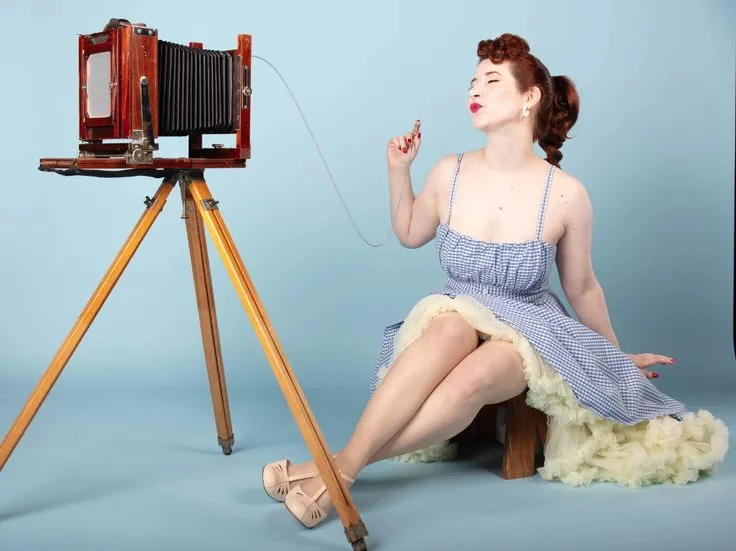
Glow Up: The Lighting Secrets That Separate Stunning Pin-Up Shots from Bathroom Selfies
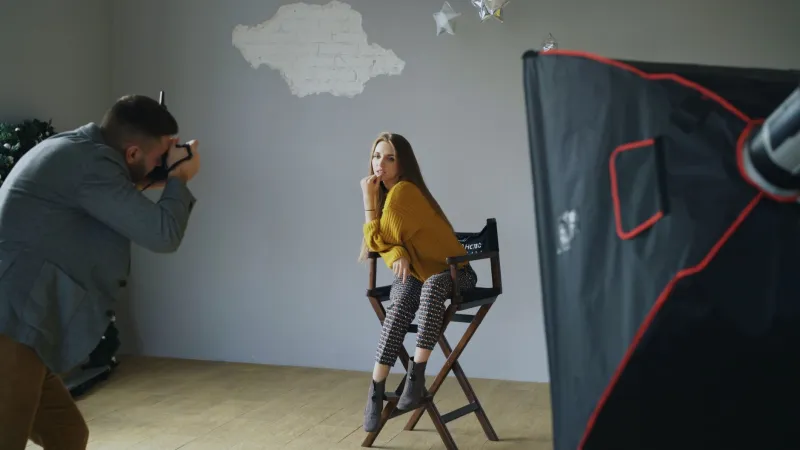
Let's be honest. You've stood in front of your bathroom mirror, struck what you thought was a killer pose, snapped a photo, and then wondered why it looked absolutely nothing like the dreamy, polished shots you scroll past on Pin-Up 999. The angles felt right. The outfit was perfect. The vibe was there — at least in your head.
Here's the thing nobody tells you upfront: the difference between a forgettable snapshot and a jaw-dropping pin-up photograph has very little to do with the model's face, body, or even wardrobe. It has almost everything to do with light.
Not just any light, either. Professional pin-up photography is built on a deeply intentional, technically sophisticated approach to illumination that most people never think about until they're standing in a real studio for the first time. Once you understand what's actually happening behind the scenes, both models and photographers walk away with more confidence, clearer creative vision, and a much better eye for quality work.
Why Your Bathroom Mirror Is Lying to You
Your bathroom light — whether it's that harsh overhead fixture or the warm vanity strip above the mirror — does something photographers call "flat lighting." It floods a space from one general direction without much thought for how shadows fall across your face, how your features are defined, or how the contours of your body read on camera.
Flat light erases dimension. It flattens cheekbones. It washes out the kind of subtle depth that makes a photograph feel three-dimensional and alive. The reason professional pin-up shots look almost sculpted is because good photographers are essentially painting with shadow and highlight in the same way a makeup artist contours a face — except they're doing it with light stands, modifiers, and careful placement.
When you see that iconic pin-up glow — that luminous skin, those dramatic eyes, that sense of depth — you're looking at the result of someone who has spent years studying exactly how light behaves.
The Big Three: Key Light, Fill Light, and Background Light
Professional pin-up setups typically start with three foundational light sources, each doing a very specific job.
The key light is the star of the show. It's the primary, dominant light source aimed at the subject, and its placement determines the entire mood of the image. Place it high and slightly to one side, and you get the classic Hollywood glamour look — defined cheekbones, dramatic shadows, a sense of old-school movie-star allure that is basically the visual DNA of pin-up photography. Drop it lower or shift it more directly in front of the subject, and the result softens considerably, giving a more approachable, playful energy.
The fill light does exactly what the name suggests — it fills in the shadows created by the key light so they don't go so dark they lose detail. In pin-up work, this balance is everything. Too much fill and the image loses its drama. Too little and the shadows become unflattering or distracting. Skilled photographers spend a lot of time dialing in this ratio, and it's one of the things that separates a truly polished shot from something that just looks a little "off" without you being able to explain why.
Background lighting is the unsung hero of the genre. Vintage and retro-inspired pin-up photography often uses seamless paper backdrops or painted canvas, and lighting those backgrounds separately allows photographers to control whether the background pops with color, fades to a soft gradient, or creates that dreamy, ethereal glow that makes subjects look like they're floating in a world of pure glamour.
Softboxes, Umbrellas, and the Art of the Modifier
Raw strobe or flash light is harsh, unflattering, and about as far from the pin-up aesthetic as you can get. That's why professional photographers almost always use what are called light modifiers — tools that shape, diffuse, and direct light before it ever touches the subject.
Softboxes are large, fabric-covered boxes that attach to a light source and spread the output over a wider, softer area. The bigger the softbox, the softer and more wrapping the light becomes. For pin-up work, a large octagonal softbox positioned close to the model creates that gorgeous, even skin luminosity that makes photos look almost retouched even straight out of camera.
Umbrellas — both shoot-through and reflective varieties — offer a more affordable and portable option with a slightly different quality of light. Shoot-through umbrellas scatter light broadly for a soft, diffused effect. Reflective umbrellas bounce light back toward the subject with a bit more specular punch, which can add gorgeous little catchlights to the eyes — those tiny bright reflections that make a model's gaze look electric and alive.
And then there are reflectors, the secret weapon that every model should know about. These are simple panels — often silver, gold, or white — that bounce existing light back onto the subject from below or the side. A gold reflector under the chin adds warmth and fills shadows in a way that feels natural and flattering. Models who understand this can actually work with a reflector during a shoot, angling their face toward it intuitively to maximize their own best light.
What This Means for Models on Set
Knowing even a little about lighting fundamentally changes how you show up to a shoot. Instead of just standing where you're told and hoping for the best, you start to understand why the photographer is asking you to tilt your chin, shift your shoulder, or turn a quarter step to the left.
Those micro-adjustments aren't random. They're the photographer chasing the light as it falls across your specific features in real time. When you understand that, you become a genuine collaborator rather than a passive subject — and that energy shows in the final images.
Pay attention to where the key light is positioned when you arrive on set. Notice the softbox placement. If you're not sure, ask. Good photographers love working with models who are curious about the process because it means they're engaged, present, and invested in the outcome.
Investing in Quality: How to Spot the Real Deal
If you're a model shopping for photographers or a photographer building out your first serious studio setup, understanding lighting helps you make smarter decisions. A photographer who can speak fluently about their lighting ratios, modifier choices, and how they adapt their setup for different skin tones and body types is a photographer who has done the work.
On the equipment side, you don't need to spend a fortune to get started, but you do need to invest thoughtfully. A couple of mid-range monolights, a large softbox, a reflector, and a seamless backdrop will get you 80% of the way to professional-quality pin-up results. The remaining 20% is practice, refinement, and the kind of intuitive understanding that only comes from shooting a lot and paying close attention to what works.
The bottom line? The magic behind a stunning pin-up photograph isn't actually magic at all. It's science, skill, and a whole lot of intentionality about how light moves through a space and lands on a human face. Once you see it clearly, you can never unsee it — and your work, whether you're in front of the lens or behind it, will never be the same.