Eyes Forward, Shoulders Back: The Hidden Language of Pin-Up Poses
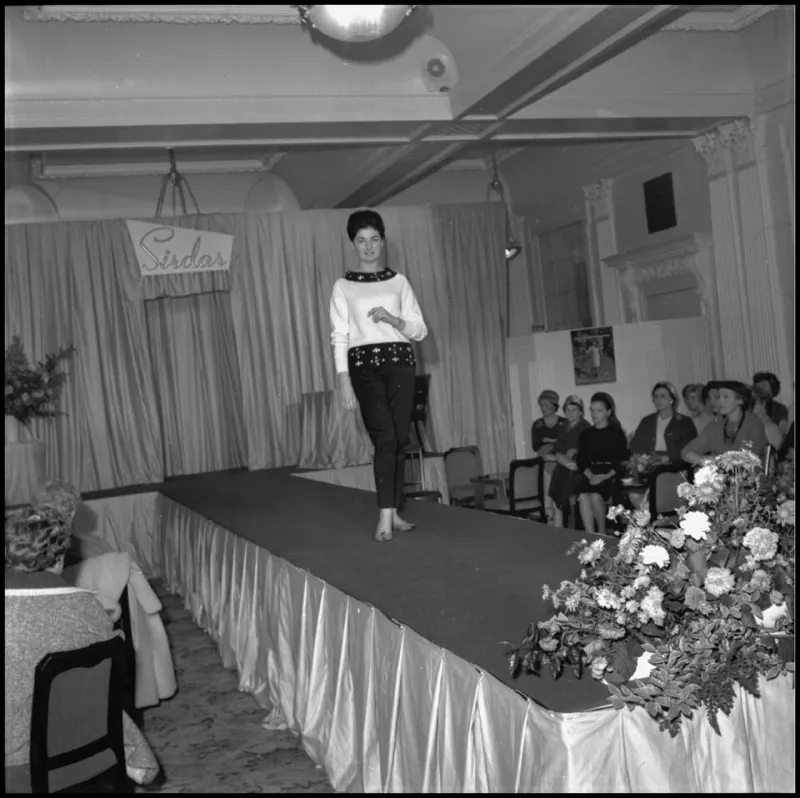
Photo: Tyne & Wear Archives & Museums, No restrictions, via Wikimedia Commons
There's a whole conversation happening in every pin-up photo — one that doesn't require a single word. From the angle of a chin to the direction of a glance, the poses that define classic pin-up imagery are loaded with psychological meaning, and modern models are more intentional about that language than ever.
Pin-up photography has always been about more than a pretty face or a great figure. At its core, it's a visual grammar — a system of signals that communicates something specific about who the person in the frame is, and crucially, how they feel about being there. That distinction matters more now than it ever has.
What Your Body Is Saying Before You Open Your Mouth
Body language researchers have long understood that posture and gesture communicate status, mood, and intention faster than verbal language. In everyday life, we read these signals instinctively. In pin-up photography, those same signals are amplified, stylized, and made permanent.
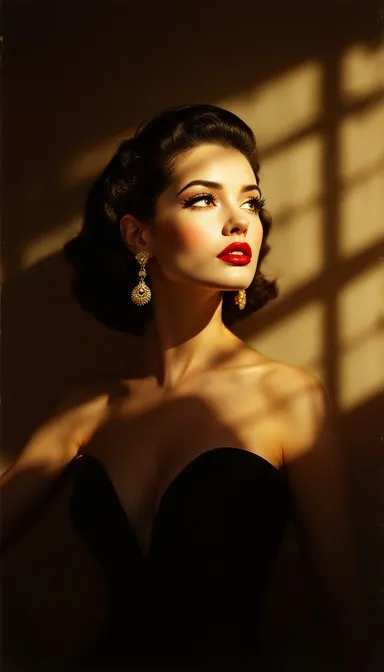
Take the classic over-the-shoulder look. It's one of the most iconic poses in pin-up history — think Vargas girls, Elvgren paintings, and a thousand vintage calendar images. On the surface, it looks coy. But look closer and you'll notice the model's body is angled away while her eyes hold the camera directly. That's not submission — that's control. She's choosing to engage. She decides the terms of the connection.
Contrast that with a pose where the gaze drops away from the lens entirely. That choice communicates something different: introspection, mystery, a sense that the viewer is catching a private moment. Neither pose is better or worse, but they're saying completely different things. Models who understand this distinction can use it deliberately, and that intentionality is the foundation of genuine self-expression.
The Difference Between Being Looked At and Being Seen
This is where the conversation around objectification versus empowerment gets genuinely interesting — and a lot more nuanced than the culture-war version of that debate tends to allow.
Objectification, in its most basic psychological definition, is the reduction of a person to their physical attributes, stripping away agency and interiority. Empowerment, on the other hand, is about the subject retaining authorship over their own image. The camera doesn't determine which one is happening. The model does.
When a pin-up model chooses her pose, selects her wardrobe, and decides how she wants to be lit, she's exercising authorship. She's not a passive object being captured — she's an active collaborator in constructing a visual story. That's a meaningful distinction, and it's one that modern pin-up culture has worked hard to center.
Seasoned photographers in the pin-up world will tell you the same thing: the best images come from models who have a clear sense of what they want to communicate. A model who walks into a shoot knowing her angles, understanding her brand, and feeling genuinely comfortable in the concept she's agreed to — that model produces images that feel alive. You can feel the difference between someone performing confidence and someone actually embodying it.
Eye Contact as a Power Statement
If posture is the grammar of pin-up photography, eye contact is the punctuation. And it's one of the most psychologically loaded choices a model can make.
Direct eye contact with the camera creates immediacy. It collapses the distance between subject and viewer, creating a sense of presence and command. This is why so many of the most iconic pin-up images — from Bettie Page's legendary shoots to contemporary work by modern stars of the genre — feature a direct, unflinching gaze. It's not aggressive. It's confident. There's a difference.
Some models deliberately vary their eye contact strategy depending on the mood they're building. A playful, slightly-off-camera glance can suggest the model is in on a private joke. A heavy-lidded look straight down the lens suggests something more smoldering and deliberate. A wide-eyed, surprised expression plays with innocence in a way that's more theatrical than literal.
The point is that these are choices. And when models make them consciously, the resulting images communicate something genuine rather than something accidental.
How Modern Pin-Up Has Shifted the Conversation
Vintage pin-up imagery — as gorgeous and culturally significant as it is — was largely created by and for a male gaze. The models were often directed by male photographers, styled by male art directors, and sold to male audiences. That context shaped the visual language of the genre in ways that are worth acknowledging.
What's happened in the decades since, and especially in the last fifteen years, is a meaningful reorientation. More women and queer artists have stepped behind the camera. Models have gained platforms — social media, personal websites, direct fan relationships — that give them unprecedented control over how their images are distributed and contextualized. The pin-up aesthetic has been reclaimed and remixed by communities who were historically excluded from it: plus-size models, models of color, trans and nonbinary performers, older models who refuse the cultural pressure to disappear after a certain age.
This isn't just a political statement (though it is that too). It's changed the visual language itself. Contemporary pin-up imagery is more varied, more expressive, and frankly more interesting than the genre has ever been, because the people making it are bringing a wider range of intentions and perspectives to the work.
Posing With Purpose: What Models Actually Think About
If you ask working pin-up models what goes through their heads during a shoot, the answers are more technical and intentional than outsiders might expect.
They're thinking about their strongest angles, yes — but they're also thinking about the story the image is telling. Is this pose consistent with the character they're building? Does it feel authentic to who they are, or does it feel like a costume that doesn't quite fit? Is the mood of the image something they're actually comfortable putting their name on?
The models who build lasting careers in this space are the ones who treat posing as a craft — something that can be studied, refined, and developed over time. They watch their own images critically. They work with photographers they trust to give honest feedback. They pay attention to what resonates with their audience and why.
That level of intentionality is the opposite of passivity. It's active, creative work — and it produces images that feel like genuine self-expression rather than generic content.
The Takeaway
Pin-up photography, at its best, is a collaboration between subject and lens that results in something more than the sum of its parts. The poses aren't arbitrary. The eye contact isn't accidental. Every choice a model makes in front of the camera is a form of communication, and the models who understand that language — who've studied it, practiced it, and made it their own — are the ones creating images that stick.
Power in a pin-up photo doesn't come from the photographer's direction or the lighting setup or even the wardrobe. It comes from the person in the frame knowing exactly what she wants to say, and saying it clearly. That's always been the real secret of the genre's enduring appeal.