Ditching the Algorithm: Why Gen Z Is Trading Filters for the Real Art of Pin-Up
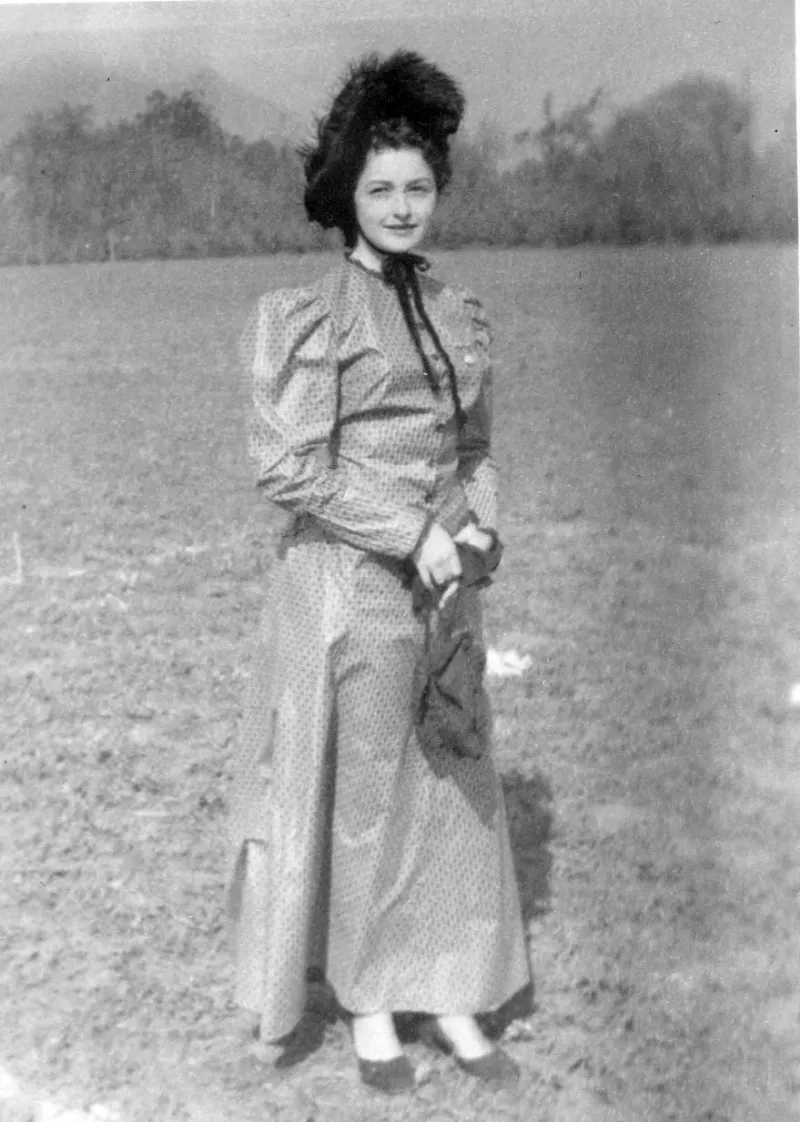
Photo: , Public domain, via Wikimedia Commons
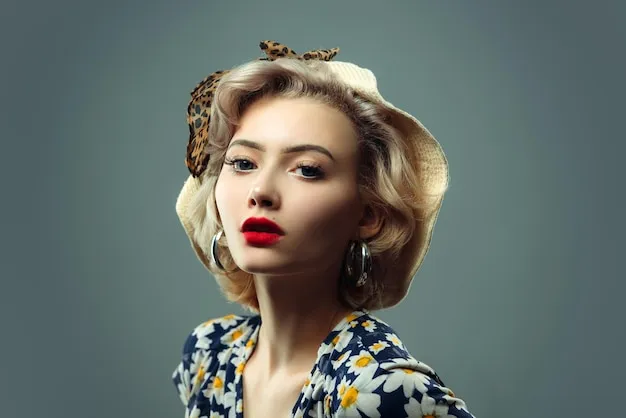
Here's something nobody predicted five years ago: the most digitally native generation in history is falling hard for an art form that peaked before color television. Gen Z — the cohort that essentially grew up with a smartphone in one hand and a ring light in the other — is increasingly obsessed with pin-up photography, vintage glamour aesthetics, and the kind of intentional, posed beauty that feels about as far from a TikTok filter as you can get.
This isn't nostalgia for an era they never lived through. It's something sharper than that. It's a deliberate rejection.
The Filter Fatigue Is Real
Let's be honest about what social media beauty culture has become. Smoothed skin, liquefied waistlines, AI-generated lighting, and algorithmic beauty standards that shift every three months based on whatever trend is currently being pushed to the For You page. The pressure isn't just to look good — it's to look good in a very specific, very digital, very optimized way.
And Gen Z, to their credit, is exhausted by it.
Polls and cultural surveys over the past couple of years have consistently shown that younger users are increasingly aware of how manipulated their feeds are — and increasingly resentful of it. The backlash to heavy Facetune use is loud and growing. "That girl" aesthetics have given way to "real" aesthetics, but even those often feel curated in their own performative way. The hunt for something genuinely intentional — something that feels like art rather than content — is very real.
Enter pin-up.
Why Pin-Up Hits Different
Classic pin-up photography operates on a completely different logic than social media content. There's no algorithm to satisfy. There's no engagement metric to chase. A great pin-up shot is composed with purpose — the lighting is deliberate, the pose is considered, the wardrobe is chosen for a reason. Everything in the frame is meant to be there.
For a generation drowning in accidental, reactive, endlessly scrollable content, that intentionality feels almost radical.
There's also the question of what pin-up actually celebrates. The classic aesthetic has always embraced curves, personality, and a kind of playful confidence that isn't about perfection — it's about presence. Bettie Page wasn't airbrushed into an impossible shape. The Vargas Girls were idealized, sure, but they were idealized in ways that felt warm and human rather than clinical and algorithmic. Pin-up beauty has texture. It has attitude. It has a wink.
That's a long way from the frozen, poreless, uncanny-valley smoothness that filters produce.
The Reclamation Angle
Here's where it gets interesting from a cultural standpoint. A lot of Gen Z's embrace of pin-up aesthetics isn't just about the look — it's about what the look means to them.
For many younger women getting into pin-up modeling or photography, the appeal is explicitly about reclaiming the act of being looked at. Social media has made visibility feel passive and anxious — you post, you wait, the algorithm decides whether you matter today. Pin-up flips that dynamic. You're not waiting to be seen. You're choosing how you're seen, on your own terms, with full creative control over every element of the image.
That's a meaningfully different relationship with the camera, and it resonates with a generation that's grown up feeling like their image is constantly being harvested, judged, and commodified without their input.
Pin-up photography — especially when approached the way we think about it here at Pin-Up 999 — puts the subject back in the driver's seat. The model isn't content. She's the artist.
Vintage Aesthetics in a Very Online World
It would be easy to frame this as Gen Z going offline, but that's not quite right either. These younger creators aren't abandoning social media — they're using it differently. The pin-up-inspired content that's thriving on platforms like Instagram and even TikTok tends to be very consciously styled, photographed with real cameras rather than phones, and presented with a kind of editorial intentionality that stands out sharply in an ocean of casual selfies.
The hashtag communities around vintage beauty, retro modeling, and pin-up aesthetics are genuinely thriving, and they skew younger than a lot of people would expect. These aren't women in their fifties who remember the original era — these are 22-year-olds who discovered Dita Von Teese at 15 and have been going deeper ever since.
What they're building is something interesting: a version of pin-up culture that honors its roots while being completely conscious of its own constructed nature. They know it's a style. They know it's a performance. And they love it because of that, not in spite of it — because at least the artifice is honest. A perfectly styled 1950s victory roll is a choice. A smoothed-out, AI-enhanced selfie pretending to be candid is a lie.
What This Means for the Art Form
For anyone who cares about pin-up photography as a genuine creative tradition, this generational shift is genuinely exciting. New people are coming to the art form with fresh eyes and no particular attachment to the way things have always been done. They're bringing their own references, their own body politics, and their own ideas about what glamour means in 2024.
That's going to push the aesthetic forward in ways that are hard to predict but probably really good. Already you're seeing pin-up-inspired shoots that blend classic composition with more diverse representation, more body inclusivity, and a wider range of what "glamorous" can actually look like. The core vocabulary — the intentional pose, the considered lighting, the unapologetic embrace of femininity as a creative tool — stays intact. Everything else is up for reinvention.
The Bigger Picture
Maybe the most interesting thing about Gen Z's embrace of pin-up culture is what it says about authenticity. We tend to think of authenticity as being about rawness and spontaneity — the unfiltered selfie, the candid moment, the no-makeup look. But there's another kind of authenticity that comes from full creative ownership of your own image, from knowing exactly what you're doing and doing it with total commitment.
Pin-up has always been that second kind of authentic. And right now, a whole new generation is figuring out that it might be exactly what they've been looking for.
The rebellion isn't retro. It just looks that way.