Glamour on a Dime: Your Entire Pin-Up Shoot for Less Than a Night Out

Photo: Mywifequit, CC BY-SA 4.0, via Wikimedia Commons
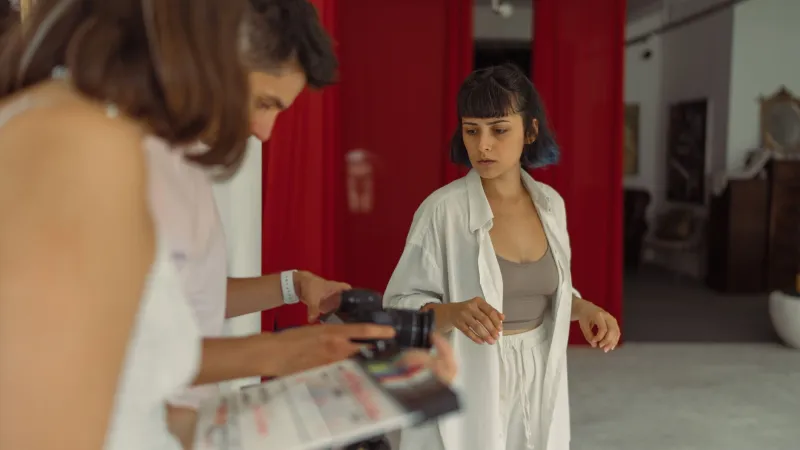
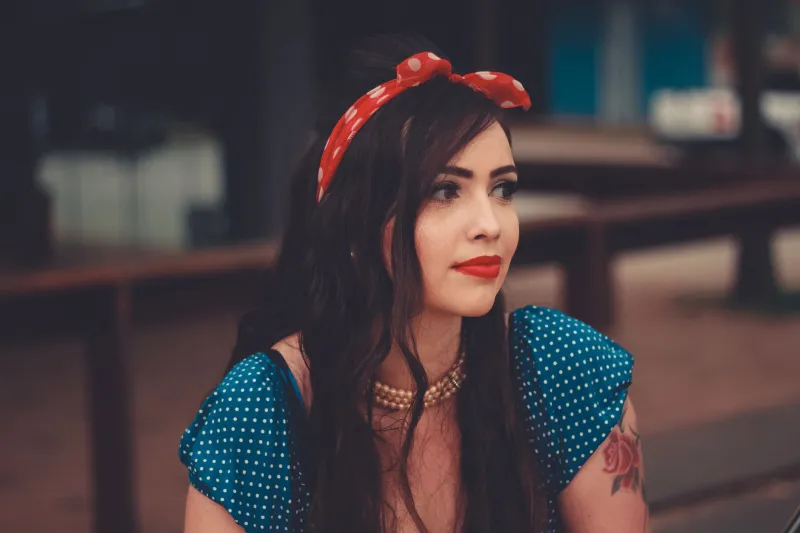
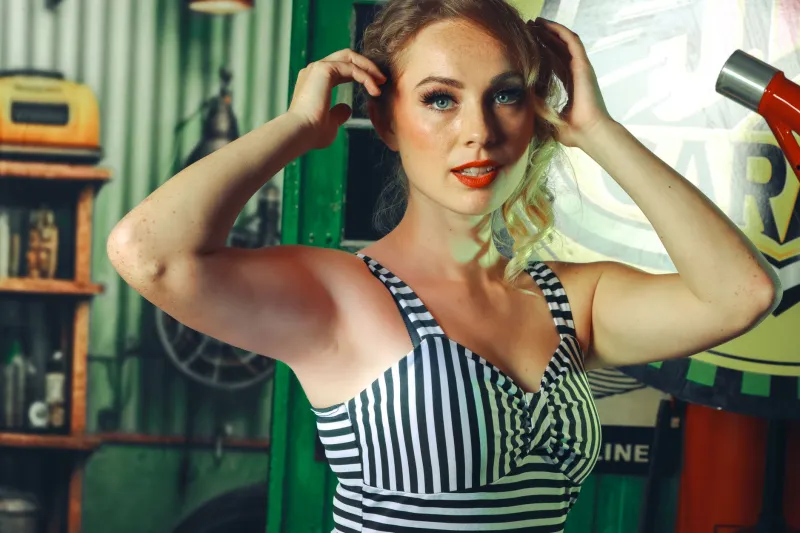
Let's kill the biggest myth in vintage-style photography right now: you do not need professional gear to get professional-looking pin-up images. The classic 1940s and '50s look was shot with equipment that would embarrass a modern disposable camera. What it did have was strong light, strong styling, and strong posing — all three of which you can get for pocket change.
Here's the full breakdown, tested and priced.
The Wardrobe: $60–80, Thrifted
Skip reproduction retailers unless you're ready to splurge. Your local Goodwill, Savers, or Salvation Army store is a goldmine if you know what to grab:
- Pencil skirts or high-waisted trousers — any solid color works; black and red photograph best
- Button-up blouses — the collar matters more than the brand
- A slip or slip dress — satin or lace, often under $8
- One statement piece — a wiggle dress, a kimono robe, something with drama
Pro move: check the evening-wear rack and the men's section. Oversized men's dress shirts are a pin-up staple and cost about $5.
Accessories ($15–20): seamed tights or plain black stockings, red lipstick (a drugstore classic like Revlon's "Fire and Ice" runs about $9 and has been the industry standard since 1950), and a pair of heels you can actually stand in. Skip costume jewelry that jingles — it reads cheap on camera.
The Lighting: $12–25, DIY
This is where budget shoots are won or lost. Pin-up's signature look — smooth skin, defined shadows, that luminous glow — comes from one big, soft light source.
Option 1 ($0): Face a large window during golden hour or on a bright overcast day. Overcast is secretly perfect; clouds are nature's softbox.
Option 2 ($12): A clamp work light from any hardware store, clipped to a stand (or a ladder, or a willing friend), bounced off a white bedsheet or foam board. Tape the sheet to a wall, aim the light at it, and stand in front. Instant softbox.
Option 3 ($25): A basic ring light from Amazon. Less classic, more forgiving — great for beginners.
Whatever you use, position the light slightly above eye level and off to one side. Flat, straight-on lighting kills the depth that makes pin-up pop.
The Camera: $0, It's Already in Your Pocket
Modern phone cameras are more capable than the film stocks that shot the original pin-ups. A few settings make the difference:
- Lock exposure and focus by tapping and holding on your subject's face
- Shoot at eye level or slightly below — it elongates the figure and adds that classic power dynamic
- Turn off the flash. Always. It flattens everything you just built with your lighting
- Use the timer or a $10 tripod — nobody holds a pose and a phone well at the same time
If you want the vintage finish, shoot normally and edit after: slightly desaturate, warm the tones, add gentle contrast. Free apps like Snapseed or Lightroom Mobile handle this in two minutes. Resist heavy filters — the era's look came from film chemistry, not Instagram presets, and subtlety wins.
The Posing: $0, Free References Everywhere
You don't need a posing coach. The originals left you a full curriculum:
- Library of Congress and the National Archives host public-domain WWII-era pin-up and glamour photography — study it like a textbook
- Archive.org has full scans of vintage fashion and film magazines
- YouTube is loaded with free pin-up posing tutorials; search "1950s model poses tutorial" and take notes
Three poses to master first: the over-the-shoulder glance, the seated leg-cross with pointed toe, and the hands-on-hip power stance with weight shifted to one leg. Practice in a mirror before shoot day. Pointed toes and bent wrists are the secret language of the genre — limp limbs read as amateur in every frame.
The Math
Wardrobe: $75. Accessories: $18. Lighting: $12. Tripod: $10. Lipstick: $9. Backdrop (a plain flat sheet): $6.
Total: $130, with room to spare for a celebratory milkshake.
The point isn't just saving money — it's proving the craft is learnable. The women who defined this genre worked with less gear than you have right now. Glamour was never about the budget. It was always about the attitude, the light, and knowing exactly what to do with both.
Now go make something gorgeous.