Lace, Silk, and Snaps: Your Complete Guide to Hunting Down Authentic Vintage Lingerie for Pin-Up Shoots
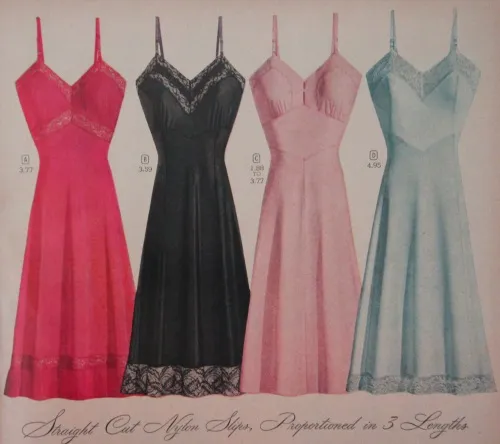
Photo: vintage 1950s lingerie collection silk lace retro glamour flat lay, via vintagedancer.com
There's something about slipping into a genuine 1940s bullet bra or a silk tap pant that no modern reproduction can quite replicate. The weight of the fabric, the precision of the stitching, the way the garment seems to hold a memory of every woman who wore it before you — it's a feeling that translates directly onto camera. If you've been doing pin-up photography for any length of time, you already know that authentic vintage pieces carry a visual warmth that polyester reproductions just can't fake.
But hunting down quality vintage lingerie isn't exactly a walk in the park. The market is flooded with everything from museum-worthy gems to overpriced rags with a "vintage" tag slapped on them. So let's talk strategy.
Where to Actually Find the Good Stuff
Forget scrolling through big-box vintage aggregators and hoping for the best. The models and stylists who consistently pull together stunning, historically accurate wardrobes are working smarter than that.
Estate sales and estate sale apps are genuinely your best friend here. Platforms like EstateSales.net list sales across the US, and if you show up early to an estate in a mid-century neighborhood — think postwar suburbs in the Midwest or the South — you're likely to find lingerie that's been sitting in a cedar chest for sixty years in near-perfect condition. The previous owners often had no idea what they had, which means prices can be surprisingly reasonable.
Specialized vintage dealers on Etsy are another strong bet, but you need to filter hard. Look for sellers with detailed photographs, measurements, and fabric descriptions. Any seller worth their salt will tell you the fiber content and note any condition issues. If a listing just says "cute vintage slip" with two blurry photos, keep scrolling.
Regional vintage shows and textile fairs — events like the Vintage Fashion Expo in California or the Chicago Vintage Clothing and Jewelry Show — are where serious collectors and dealers bring their best inventory. You can touch the fabric, check the construction, and actually talk to someone who knows what they're selling. These shows also tend to attract dealers who specialize in intimate apparel, which is a niche even within the vintage world.
eBay still has its place, but treat it like a professional tool rather than a casual browse. Use specific search terms: "1940s step-in," "50s merry widow," "vintage bullet bra 34B," "nylon full slip 1950s." Set up saved searches and alerts. The best pieces move fast.
Authenticating What You Find
Once you've got a potential piece in hand — or you're evaluating photos online — here's how to separate the genuine articles from the wishful thinking.
Check the labels. Pre-1971 garments made in the US are not required to have fiber content labels, so the absence of one isn't a red flag. However, if a label claims something is "100% Nylon" in a font that looks suspiciously modern, that's worth scrutinizing. Labels from brands like Vanity Fair, Bestform, Warner's, and Maidenform from this era have a specific look — often printed directly on satin ribbon in a style that's hard to replicate convincingly.
Feel the fabric. Genuine vintage nylon from the 40s and 50s has a distinct hand — slightly heavier and more substantial than modern nylon, with a subtle sheen that doesn't look plasticky. Vintage rayon has a beautiful drape and a slight coolness to the touch. If something feels flimsy or has that fast-fashion texture, trust your instincts.
Examine the construction. Look at the seams. Vintage lingerie typically features flat-felled seams, French seams, or carefully finished edges — not the serged edges common in modern manufacturing. Hooks and snaps on authentic pieces are often metal rather than plastic, and the hardware has a weightiness that reproductions skip in favor of cost savings.
Measure everything. Vintage sizing bears almost no relationship to modern sizing. A garment labeled "34" might fit a modern 28-inch waist, or it might not. Always get measurements — bust, waist, hip, and length — before committing to a purchase, especially online.
Making Classic Cuts Work on Modern Bodies
Here's the part nobody talks about enough: authentic vintage lingerie was designed for a very specific postwar beauty standard, and most of us don't have the exact proportions of a 1952 Sears catalog model. That's not a problem. That's an opportunity.
For fuller busts: The bullet bra silhouette is iconic, but authentic versions often run small in the cup. Rather than forcing a fit that creates discomfort or unflattering lines, look for vintage longline bras or merry widows in your actual size, or work with a seamstress to let out the side seams slightly. On camera, a well-fitted longline does more for your silhouette than an authentic bullet bra two sizes too small.
For curvier hips and thighs: Vintage tap pants and step-ins are genuinely forgiving — they were designed with ease of movement in mind. Full slips from the era, however, can be narrow through the hip. Look for A-line or gored slips rather than straight-cut ones, which allow for more movement and photograph beautifully from every angle.
For petite frames: Many vintage pieces run longer than expected because the women wearing them were typically in higher heels. Don't be afraid to have slips and gowns hemmed — this doesn't diminish the garment's value for photographic purposes, and it transforms a swimming piece into something tailored and intentional.
For plus-size models: Authentic vintage lingerie in larger sizes exists, but it takes more hunting. Focus your search on house dresses and full slips from department store brands rather than high-fashion labels, which skewed smaller. Corselettes and girdles from the era were actually designed with a wide range of figures in mind and can be surprisingly wearable with modern undergarments layered beneath.
Caring for Your Investment
You've found a gorgeous piece. Don't ruin it in the laundry.
Hand-wash everything in cool water with a gentle pH-neutral soap — Woolite or a dedicated vintage textile wash. Never wring vintage nylon or silk; press it gently between towels and lay flat to dry. Store pieces in acid-free tissue, not plastic bags, which trap moisture and accelerate fiber degradation. If you're shooting regularly, consider having a dedicated garment bag for your vintage pieces so they're protected between sessions.
The investment you make in sourcing and caring for authentic vintage lingerie pays off every single time you step in front of the camera. There's a reason the golden age of pin-up photography produced images that are still captivating audiences seventy years later — and a significant part of that magic lives in the clothes.